What to Look For and When to See Your Dermatologist for a Skin Check
The cumulative impact of sun exposure on our skin is largely invisible. Beneath our skin’s surface can lie cellular disruption from UV radiation, trapped clusters of melanin, weakened collagen and elastin fibers, and potential pre-cancerous or cancerous cell changes.
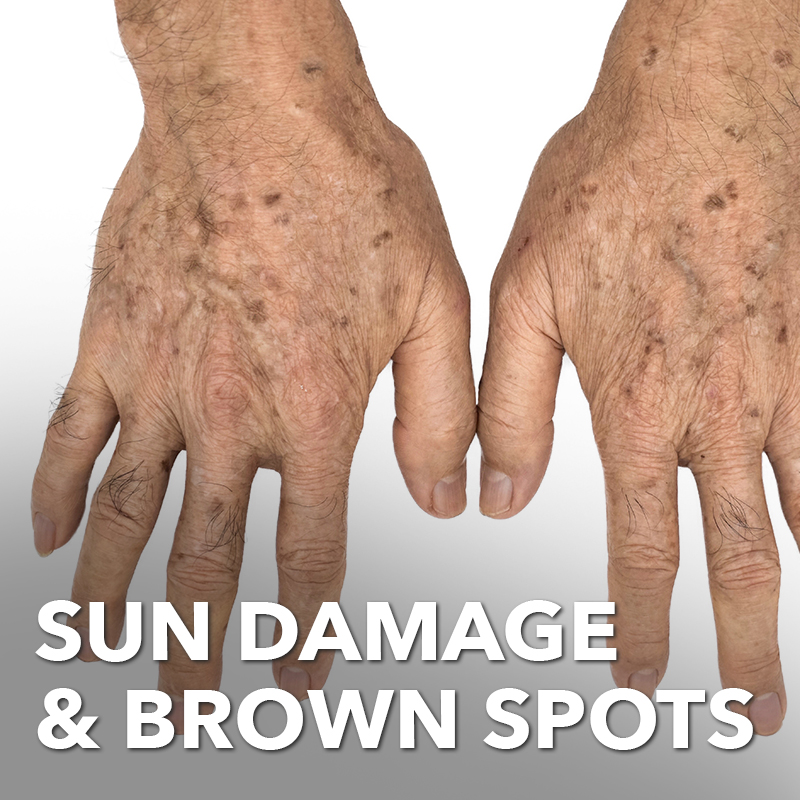
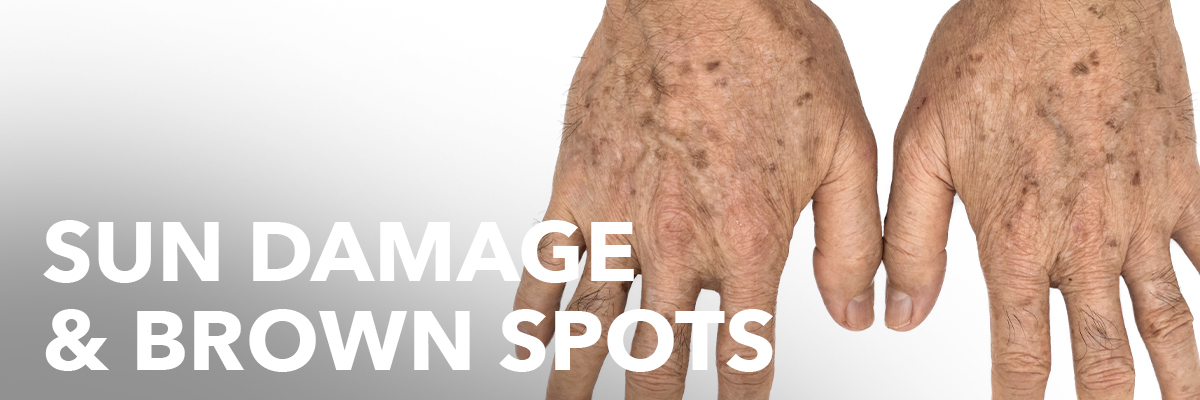
What is visible from UV exposure are sun damage and brown spots, including age spots. Here’s a quick breakdown:
Sun Damage. A broad term for any skin changes resulting from UV exposure, such as wrinkles, rough texture, broken capillaries, or uneven skin tone.
Brown Spots. A broad category for areas of darkened skin caused by increased melanin production. Brown spots are a type of sun damage, but can also be caused by hormonal changes, aging, or healing from inflammation or injuries. When caused by UV exposure, they are called age spots, or solar lentigines. You may also have heard them referred to as liver spots.
While most brown spots and signs of sun damage are harmless and represent a structural change, some can be cancerous. Melanoma, for example, often resembles common brown spots like freckles and moles, and if left untreated, can become very serious.
Additionally, brown spots and sun damage mean your skin has been exposed to UV rays, which raises your overall risk of developing skin cancer. Annual skin checks are encouraged for prevention and early detection, but during the rest of the year, it’s important to know what to look for and when to see your dermatologist.
When Brown Spots are More Than Just a Sign of Age
Brown spots, which include freckles and moles, are often present at birth or shortly after, but tend to increase with age. Years of sun exposure gradually damage the skin, causing pigment-producing cells called melanocytes to darken some areas, commonly the face, forehead, nose, chest, shoulders, arms, hands, and upper back. This extra pigment is often flat or slightly raised, like a common mole or freckle.
Brown spots can develop at any age based on level of sun exposure but are most common in individuals over 50.
Is My Brown Spot or Sun-Damaged Skin Cancerous?
You should always consult with your dermatologist for a skin cancer evaluation and diagnosis; however, you should be aware of what to look for to ensure the earliest possible intervention.
UV rays damage the skin over time, and while not every brown spot, area of rough or uneven skin is a sign of cancer, they are a sign that you are at risk, and some of these areas may indicate early skin cancer.
One of the simplest ways to evaluate a spot or area of your skin is by using the ABCDEs of melanoma:
A — Asymmetry: One half of the spot doesn’t match the other half.
B — Border: The edges are irregular, jagged, or poorly defined.
C — Color: The spot or area is multiple shades of brown, black, red, white, tan, or blue.
D — Diameter: The area is larger than about 6 millimeters; roughly the size of a pencil eraser. However, melanomas can be smaller.
E — Evolving: You observe changes in size, shape, color, or texture, or the area begins itching, bleeding, or becoming crusty.
It’s unlikely a brown spot or area of sun damage will meet every one of the ABCDE criteria, but you should consider any new or changing area of your skin as a candidate for professional evaluation.
Additionally, there are other ways skin cancer can manifest that fall outside of the ABCDE rule. Keep your eye on any of the following visual cues:
Ugly Duckling Spots: A mole or spot that looks different from all the other moles or spots on your body (such as one freckle on your face that doesn’t resemble the others).
A Spot That Won’t Heal: If you notice a scab, sore, or irritation that doesn’t heal after several weeks or continues to worsen, it could be a sign of skin cancer, particularly basal cell carcinoma or squamous cell carcinoma.
Persistent Itchiness, Tenderness, or Pain: Harmless skin spots typically don’t cause pain or discomfort. If a mole or spot becomes itchy, tender, or painful, it may indicate inflammation or another underlying issue.
Roughness or Scaly Skin: Precancerous growths such as actinic keratosis often manifest as dry or scaly patches with a rough, sandpaper-like texture. These spots most commonly appear on exposed skin, such as the hands, face, neck, or ears. Actinic keratosis can develop into skin cancer.
Can Brown Spots and Sun-Damaged Skin be Treated or Removed?
If you have benign brown spots or signs of sun damage you’d like to get rid of, there are several treatments available. Your dermatologist can help identify the best plan based on your skin type and the cause of your hyperpigmentation or discoloration.
The American Academy of Dermatology Association provides a list of recommended treatments for age spots:
- Topical Creams or Retinoids: Many are available without a prescription and can be effective at lightening or minimizing the appearance of age spots.
- Laser Resurfacing: One or two laser treatments can deliver longer-lasting results than a cream or retinoid, but do carry some temporary side effects such as crustiness or darkening of age spots.
- Cryosurgery: A common treatment that freezes age spots, encouraging a more even tone upon healing. Pain during treatment or swelling and redness following treatment are common, but temporary.
- Chemical Peel: A chemical solution applied to the affected skin removes damaged outer layers, revealing healthy, smooth skin underneath.
- Microdermabrasion: Age spots are smoothed away using a microdermabrasion tool that gently removes the thick outer layer of dead skin cells. This procedure is especially effective for patients who have had a chemical peel first.
- Intense Pulsed Light (IPL) Therapy: IPL and other light-based treatments can effectively treat age spots, sunspots, and other forms of hyperpigmentation using a broad-spectrum light to break up clusters of melanin under the skin.
You should only pursue cosmetic treatments once skin cancer has been ruled out. What seems like an age spot could be an early skin cancer that requires medical intervention.
A Final Word About Sun Damage and Skin Cancer Risk
Anyone at any age can develop skin cancer, regardless of skin type or tone. However, some individuals carry a higher risk if they meet any of these criteria:
- Spend a significant amount of time outside in the sun
- Have fair skin, light-colored eyes, or blonde or red hair
- Burn easily or have a history of blistering sunburns or sun poisoning
- Have numerous moles or atypical moles
- Have a personal or family history of cancer
- Have used tanning beds (even once!)
- Have a weakened immune system
- Are over 50
You should schedule a skin check annually, but see your dermatologist right away if you experience any of these warning signs:
- A new spot that looks different from other moles or brown spots on your skin
- Changes to a mole
- A lesion that itches, bleeds, scabs repeatedly, and won’t heal
- A spot that meets any of the ABCDE criteria
- Anything on your skin that you’re unsure about
You don’t have to meet any specific criteria to see your dermatologist with concerns. It’s better to be sure than wait and allow skin cancer to develop or become worse.
Early detection is one of the best ways to diagnose and treat skin cancer. Practicing sun protection is the best way to prevent skin cancer from developing.
If you need to schedule a skin check or have an area of concern, reach out to the Dermatology Center of Indiana to schedule an evaluation. Our team is here to help you feel confident in your skin health through comprehensive evaluations and personalized treatment.
Frequently Asked Questions About Sun Damage and Brown Spots
How can I tell if a brown spot is just sun damage or skin cancer?
Most brown spots are harmless, but any spot that changes in size, shape, color, or texture—or meets the ABCDE warning signs of melanoma should be evaluated by a dermatologist. A skin exam is the only way to determine whether a spot is benign or cancerous.
Can age spots turn into skin cancer?
Age spots (solar lentigines) themselves are benign lesions. However, some skin cancers can closely resemble age spots and oftentimes both types of lesions can occur on similar areas of the body. That’s why it’s important to have any new or changing brown spot examined before pursuing cosmetic treatment.
Should I have a skin check if I have a lot of freckles or moles?
Yes. People with numerous freckles, moles, or significant sun exposure often benefit from routine skin examinations. Regular skin checks help detect suspicious lesions early, when treatment is most effective.
What’s the best treatment for brown spots caused by sun damage?
Treatment depends on the cause of the pigmentation. Options may include prescription topical medications, chemical peels, laser treatments, or light-based therapies. Your dermatologist can recommend the safest and most effective approach after confirming the spot is not skin cancer.
Can sunscreen prevent brown spots from getting worse?
Yes. Daily use of a broad-spectrum sunscreen with SPF 30 or higher helps prevent new sun damage, reduces the risk of developing additional brown spots, and lowers your risk of skin cancer. Reapplying sunscreen throughout the day is essential during prolonged outdoor activities.